
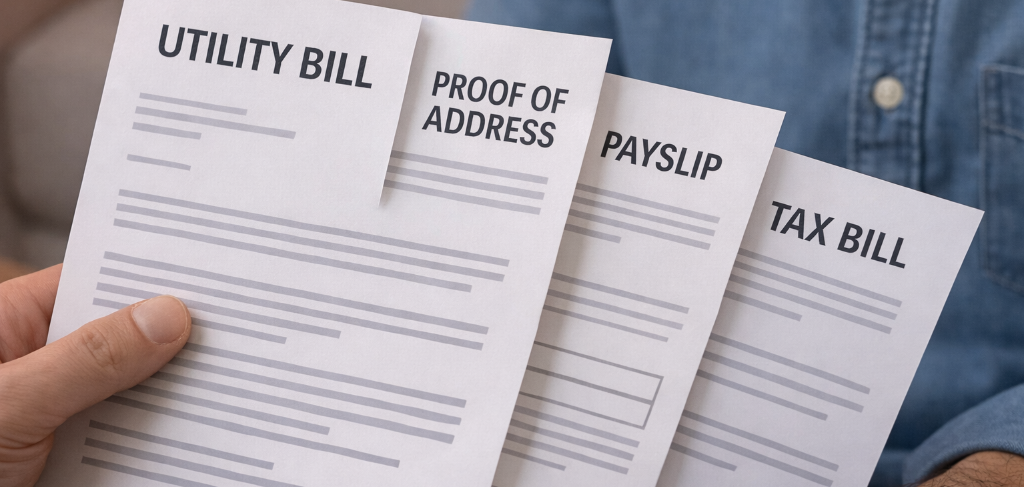
Can you use a virtual office address as proof of address in Hong Kong? After helping hundreds of entrepreneurs, here's what actually works — and where it falls short.
Virtual Office Addresses as Proof of Address in Hong Kong: What Works and What Doesn't
By Jeremy Chan, Senior Manager at VOFFICE
After helping hundreds of entrepreneurs establish their business presence in Hong Kong over the past decade, one question keeps coming up: "Can I use my virtual office address as proof of address for everything?"
The short answer is no – and understanding why could save you significant headaches down the road.
The Fundamental Distinction Banks and Authorities Make
Hong Kong's regulatory environment draws a clear line between where you conduct business and where you live. This distinction becomes crucial when institutions ask for proof of address.
Last month, I met with a client who had been rejected by three banks after trying to open a personal account using his virtual office address. "But I paid for this address," he told me, visibly frustrated. "Why won't they accept it?"
The answer lies in what these institutions are actually verifying: your physical presence and accessibility.
When Your Virtual Office Address Works Just Fine
Your virtual office address is perfectly valid in several important scenarios:
Company Registration: When incorporating your Hong Kong company, you can absolutely use a virtual office as your registered office address. The Companies Registry accepts this without issue, as it's primarily for official correspondence.
Business Mail and Documentation: For business cards, websites, receiving mail, and most day-to-day business operations, your virtual office address functions exactly as intended.
Business Accounts (Sometimes): Some banks will accept a virtual office address for business banking – though this varies by institution and account type. HSBC Business Banking, for instance, may accept it for certain business accounts if you provide your service agreement.
One client successfully used our address confirmation letter as supporting documentation when registering with trade organizations. "It gave my online business the credibility boost I needed," she told me.
Where the Problems Start
The limitations become apparent in these common situations:
Personal Banking: This is the big one. I've never seen a Hong Kong bank accept a virtual office address for personal account opening. They specifically want proof of where you physically reside.
A banker I spoke with explained: "We need to know where to find the actual person if there's a problem. A shared business address doesn't tell us that."
Government Applications: Most government forms in Hong Kong specifically request your residential address. Using a virtual office address here could potentially constitute providing false information.
Utility-Based Verification: Many verification processes specifically request utility bills because they indicate exclusive occupancy of a space. Since virtual offices bundle utilities into their service, you'll never receive individual bills for that address.
The Gold Standard for Proof of Address
When you need solid proof of address in Hong Kong, these are your best options:
Recent Utility Bills: A water, electricity, or gas bill from the last 3 months with your name on it remains the gold standard. I've yet to see any institution reject these.
Bank Statements: Statements from established banks showing your name and address are widely accepted. Just ensure they're recent (usually within 6 months).
Government Correspondence: Letters from the IRD or other government departments carry significant weight.
Tenancy Agreements: A formal, stamped lease agreement for your actual residential address works in most situations, especially when supported by rent receipts.
Real-World Implications
The limitations became painfully clear to one of our clients who tried to use his virtual office for everything. After six months of business operations, he attempted to open a personal account at Bank of China. Not only was he rejected, but the bank flagged his application for providing potentially misleading information.
"I should have listened to your advice about maintaining separate business and personal addresses," he admitted later.
Finding Balance: My Recommendation
After guiding hundreds of businesses through this process, here's my practical advice:
A virtual office address is an excellent, cost-effective solution for establishing your business presence in Hong Kong. It's perfect for mail handling, company registration, and projecting professionalism.
However, you should maintain a separate, verifiable residential address for personal banking and regulatory compliance. This doesn't have to be expensive – even a modest apartment with utilities in your name will satisfy most requirements.
For visitors and digital nomads staying in hotels, request monthly statements with your name and the hotel address. While not universally accepted, these can work for some verification processes.
The Bottom Line
Virtual office addresses solve many problems for modern businesses – but they're not a complete replacement for traditional proof of address requirements. By understanding these limitations from the outset, you can plan accordingly and avoid unexpected roadblocks in your Hong Kong business journey.
Remember: The goal of address verification isn't to make your life difficult – it's part of Hong Kong's commitment to maintaining its reputation for financial integrity and regulatory compliance.